Introduction
Ramadan and its special days hold unmatched religious, cultural, and social importance in Saudi Arabia. As the birthplace of Islam and home to the two holiest mosques, the Kingdom observes Ramadan with deep reverence, clear regulations, and community-wide participation.
This guide explains what Ramadan is, why its special days matter, how they are observed in Saudi Arabia, and how individuals, families, and businesses can prepare. It blends religious understanding with real-life Saudi context, so readers know not just what to do, but how it applies locally.
What Is Ramadan?
Ramadan is the ninth month of the Islamic Hijri calendar. During this month, Muslims fast daily from dawn (Fajr) until sunset (Maghrib), abstaining from food, drink, and other invalidators of fasting.
Why Ramadan Matters
- It commemorates the revelation of the Qur’an.
- It strengthens self-discipline, empathy, and spirituality.
- Acts of worship and charity carry multiplied rewards.
In Saudi Arabia, Ramadan is not only a religious observance but a nationwide rhythm that shapes work hours, business operations, travel, and daily life.
How Ramadan Is Determined in Saudi Arabia
Ramadan officially begins with moon sighting, not fixed calendar dates. Saudi authorities announce the start and end based on verified sightings.
What this means locally:
- Dates may differ from other countries.
- Official announcements guide fasting, Eid, and holidays.
- Businesses and institutions follow the Saudi declaration strictly.
Daily Structure of Ramadan in Saudi Arabia
Fasting Timeline
| Time | Activity |
|---|---|
| Pre-dawn | Suhoor (pre-fast meal) |
| Dawn | Fajr prayer, fasting begins |
| Daytime | Work, worship, rest |
| Sunset | Iftar (breaking the fast) |
| Night | Taraweeh prayers, Qur’an recitation |
Work & Business Hours
During Ramadan:
- Government and many private offices operate reduced hours.
- Retail and malls often stay open late into the night.
- Restaurants serve Iftar and Suhoor but restrict daytime dining.
Special Days and Nights During Ramadan
The Last Ten Nights of Ramadan
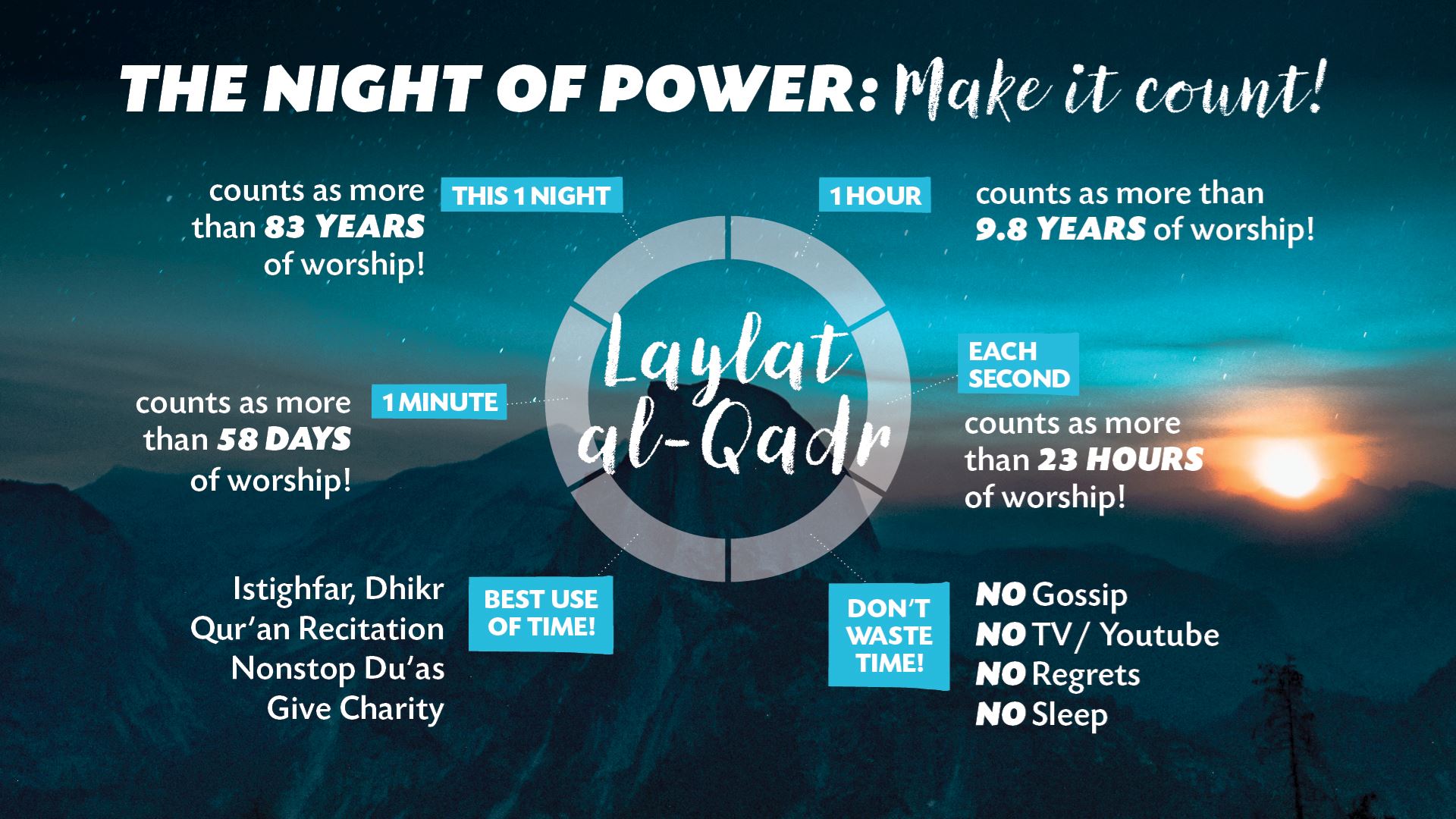
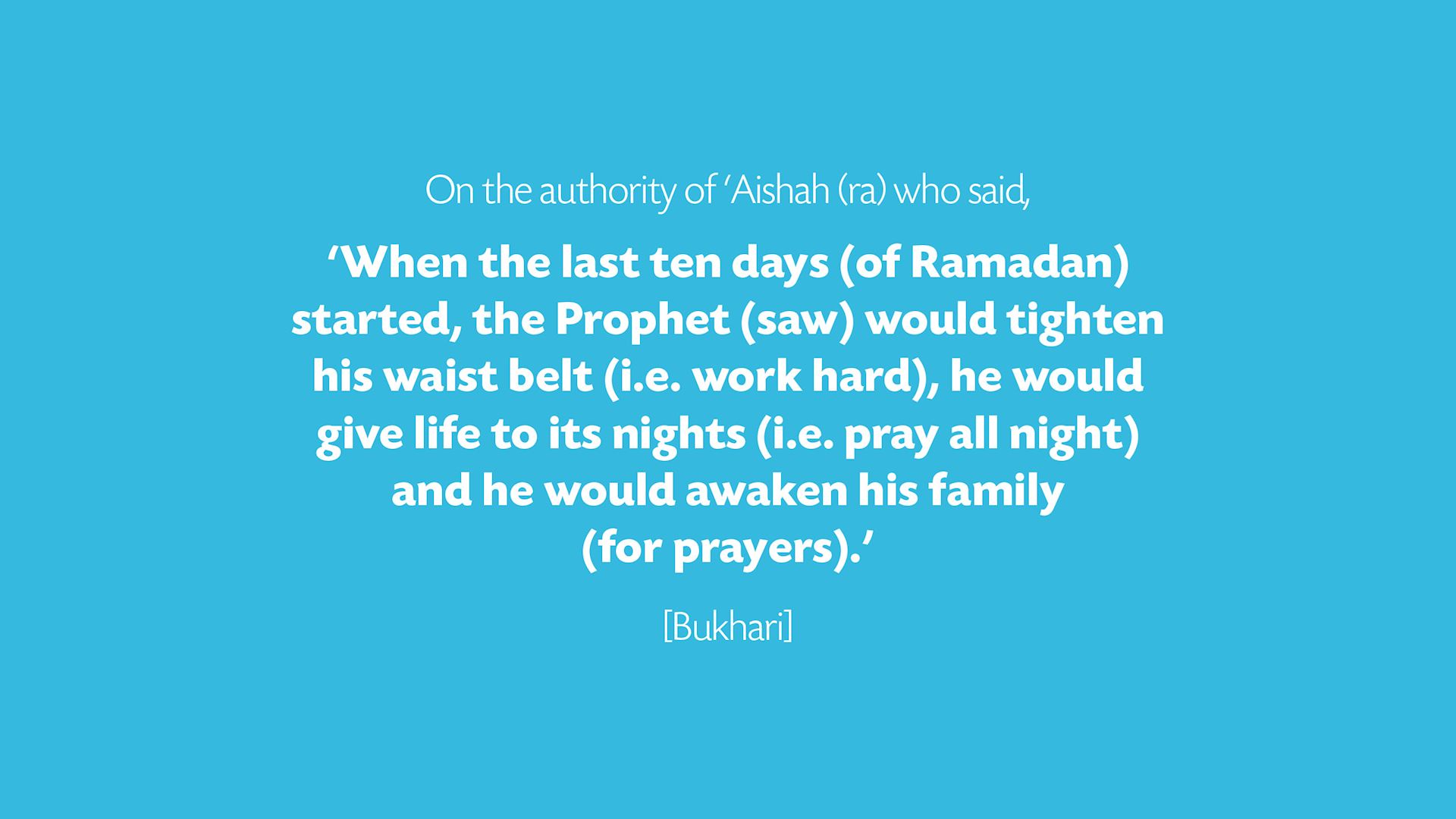
The final ten nights are the spiritual peak of Ramadan. Worship intensifies, and many Muslims dedicate extra time to prayer, charity, and reflection.
Why they matter:
- They include the most sacred night of the year.
- Rewards are believed to be far greater than regular days.
Laylat al-Qadr (The Night of Power)
Laylat al-Qadr is the most important night in Islam. Worship on this night is described as better than a thousand months.
Key points:
- Occurs on an odd night in the last ten days (often 21st, 23rd, 25th, 27th, or 29th).
- The exact date is intentionally hidden to encourage devotion across multiple nights.
- In Saudi Arabia, mosques remain full until dawn.
What people focus on:
- Extra prayers
- Qur’an recitation
- Personal supplications
- Charity
The 27th Night of Ramadan
While not officially confirmed as Laylat al-Qadr, the 27th night holds special significance for many worshippers in Saudi Arabia.
Local observation:
- Major mosques in Makkah and Madinah see extremely large congregations.
- Many complete full Qur’an recitations that night.
Eid al-Fitr: The End of Ramadan
Eid al-Fitr marks the conclusion of Ramadan and the start of Shawwal.
How Eid Is Observed in Saudi Arabia
- Official public holidays are announced.
- Eid prayer is held shortly after sunrise.
- Families gather, gifts are exchanged, and charity is emphasized.
Before Eid prayer, Muslims must give Zakat al-Fitr, ensuring everyone can celebrate.
Other Important Islamic Special Days (Beyond Ramadan)
Although Ramadan is central, Saudi Arabia also observes other sacred days throughout the year.
Eid al-Adha
Eid al-Adha coincides with Hajj and honors the legacy of Prophet Ibrahim.
Day of Arafah
One of the most virtuous days for fasting outside Ramadan, especially significant in Saudi Arabia due to Hajj.
Islamic New Year (Hijri New Year)
Marks the beginning of a new lunar year, observed quietly with reflection rather than celebration.
Ramadan in Makkah and Madinah
Ramadan in the holy cities is unlike anywhere else.
Unique Aspects
- Continuous prayers at Masjid al-Haram and Masjid an-Nabawi
- Millions perform Umrah during Ramadan
- Free Iftar meals distributed daily
Umrah During Ramadan
Many believe Umrah in Ramadan carries exceptional reward. Demand peaks during the last ten nights, so planning is essential.
Rules, Exemptions, and Public Conduct in Saudi Arabia
Who Is Exempt from Fasting?
- The sick
- Travelers
- Pregnant or nursing women
- Elderly individuals unable to fast
Exemptions are religiously recognized and socially respected.
Public Behavior Rules
In Saudi Arabia:
- Eating or drinking publicly during fasting hours is restricted.
- Non-Muslims are expected to respect public norms.
- Businesses follow government guidance strictly.
Practical Checklist: Preparing for Ramadan in Saudi Arabia
For Individuals
- Confirm official Saudi moon sighting
- Adjust sleep and work routines
- Plan charity early
- Schedule Umrah in advance if intended
For Businesses
- Update operating hours
- Adjust marketing tone
- Respect cultural sensitivities
- Prepare for night-time customer peaks
Common Mistakes to Avoid
- Assuming Ramadan dates before official announcement
- Over-focusing on food instead of worship
- Ignoring work-hour changes
- Treating cultural habits as religious obligations
People Also Ask (FAQs)
What are the most important days in Ramadan?
The last ten nights, especially Laylat al-Qadr, are the most significant due to their spiritual value.
When does Ramadan start in Saudi Arabia?
It begins after the official moon sighting announcement by Saudi authorities.
Is the 27th night always Laylat al-Qadr?
No. It is likely but not guaranteed. Worship is encouraged on all odd nights.
Can non-Muslims eat during Ramadan in Saudi Arabia?
Privately yes, but public eating during fasting hours is restricted.
Are businesses closed during Ramadan?
No. Most operate with reduced daytime hours and extended night hours.
Why is Ramadan special in Saudi Arabia?
It combines religious significance with national observance in Islam’s holiest land.
Is Umrah better in Ramadan?
Many believe its reward is greater, which increases demand during this month.
Conclusion
Ramadan and its special days shape life across Saudi Arabia spiritually, socially, and practically. From fasting and nightly prayers to Laylat al-Qadr and Eid celebrations, each phase carries deep meaning and clear local practices.
Whether you are worshipping, working, traveling, or managing a business, understanding how Ramadan functions in the Saudi context allows you to participate respectfully, plan wisely, and gain the full benefit of this sacred time.